



Select your language →
Moving Costs Coverage by BKK
Umzugsdienstleistungen in Deutschland und Umgebung

Butler Umzüge GmbH – Nationvide

Moving Costs Coverage by BKK

seal butler umzug

Please enter your full name here.

Move-out Address (Old Apartment)

Move-in Address (New Apartment)

Butler Umzüge GmbH can be understood as a practical full-service moving partner for people who want a structured, efficient, and low-stress relocation. Its role becomes especially important when a move is connected to care needs and must be documented for possible subsidy support. In Germany, BKK health insurers generally do not pay moving costs as a standard benefit, but the associated nursing care funds may provide financial assistance if the move improves the living environment of a person with a recognized care grade.

Jetzt Angebot sichern
Umzugsdienstleistungen in Deutschland und Umgebung

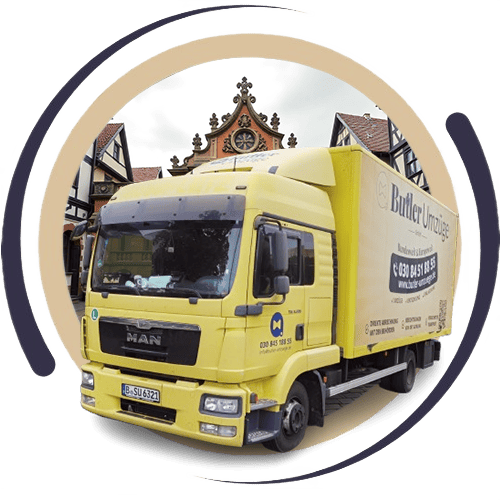
Butler Umzüge GmbH is described as a professional moving company based in Berlin that offers comprehensive moving services for private and commercial clients. Full-service moving means that the company does much more than simply transport boxes from one place to another. Instead, it provides a complete relocation package that can include consultation, planning, packing, loading, transport, unloading, furniture assembly, disassembly, and even storage solutions when needed.

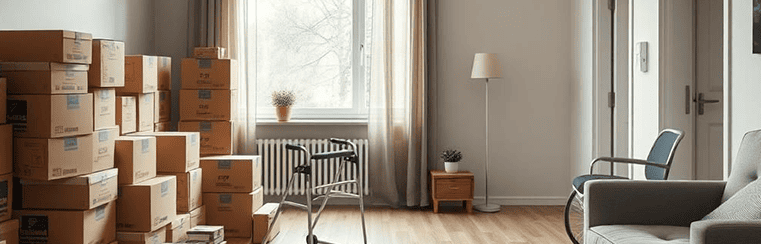
For many customers, especially older people or those with health limitations, this type of service is particularly valuable. A move can be physically demanding, and organizing every step alone may be unrealistic. A full-service approach reduces stress and makes the process more predictable. It also helps ensure that fragile or medically relevant items are handled with care. In relocation situations tied to care needs, an organized, professional service can strengthen the case for a subsidy because the costs and steps are easier to document.

Another important aspect is flexibility. A company like Butler Umzüge GmbH can tailor its services to the situation of the customer. Some clients need only transport and basic loading. Others require complete handling, including packing assistance, dismantling of furniture, and setting up the new apartment so that it becomes usable immediately. In care-related moves, this can make a crucial difference because the goal is not only to move possessions but to create a safer and more accessible living environment.


Umzugsdienstleistungen in Deutschland und Umgebung

BKK stands for Betriebskrankenkasse, which is a type of statutory health insurance organization in Germany. In everyday language, people sometimes say that the health insurance “pays” for something, but in the case of moving costs this is usually not the core health insurance benefit. The relevant support normally comes from the associated nursing care fund, known as the Pflegekasse.

This distinction is important. BKK itself generally does not cover moving costs as a standard health insurance benefit. However, the Pflegekasse connected to the insurer may provide financial support if the move is considered a measure to improve the individual living environment. The legal and practical basis is that the move contributes to care at home, reduces barriers, or helps the person live more independently.

In other words, the support is not automatic. It depends on the person’s care status, the reason for the move, and the way the new home improves the situation. A move because of convenience, job location, or personal preference usually does not qualify. A move because stairs can no longer be managed, because a bathroom is inaccessible, or because family caregivers live nearby may qualify if the care fund accepts that the relocation is necessary.

To receive financial support for moving costs through a BKK-related nursing care fund, several conditions must be met. First, the person must have a recognized Pflegegrad. In most cases, this means Pflegegrad 1 to 5. Without an official care level, there is usually no entitlement to this type of support.

Second, the move must be necessary for care-related reasons. This can mean that the relocation enables home care, makes caregiving significantly easier, or restores a more independent way of living. The authorities usually look for a clear connection between the move and the care situation. A simple wish for a larger or nicer apartment is not enough.

Third, the new residence must better fit the person’s needs. This often means barrier-free access, fewer stairs, better bathroom access, easier entry and exit, proximity to family members, or a layout that supports mobility aids. The more clearly the new apartment improves the daily situation, the stronger the application will be.

Fourth, the application should be supported by documentation. Medical certificates, care assessments, social reports, and cost estimates from the moving company can all be used to show necessity and reasonableness. This paperwork helps the Pflegekasse understand why the move matters and why the requested amount is justified.

Umzugsdienstleistungen in Deutschland und Umgebung

The most commonly cited subsidy amount for home environment improvement measures, including moving-related costs, is up to 4,180 euros per person. This amount is not a flat payment for every move. It is a maximum support level that may be granted if the move meets the necessary conditions and the submitted expenses are approved.

If more than one care-dependent person lives in the same household, the total support amount can be higher. In such cases, the subsidy may rise to approximately 16,720 euros per household, depending on how the care-related measures are structured and approved. This can matter for couples or family households where both people have care needs.

It is important to understand that this money does not automatically cover all moving costs. The support is intended to cover costs linked to the improvement of the living environment. If the move is more expensive than the approved amount, the difference must be paid by the household itself. Also, not every expense item will qualify. The care fund will review whether the requested costs are directly related to the care-driven relocation.

The nursing care fund may support a range of costs if they are directly connected to the move and the improvement of the living environment. Professional moving company fees are often the most obvious category. This can include loading, transport, unloading, and sometimes packing or unpacking assistance.

Umzugsdienstleistungen in Deutschland und Umgebung

Other potentially eligible costs may include transportation of furniture and personal belongings, especially if the move is part of a documented care-related transition. In some cases, related adjustments in the new home may also be supported if they are tied to the person’s care needs. These can include ramps, handrails, accessibility modifications, or similar home adaptation measures.

A full-service moving company can be especially helpful here because it can provide itemized invoices and a clear description of services. This is useful for the application, since the care fund needs to understand exactly what is being paid for. The more transparent the invoice, the easier it is to separate eligible from non-eligible costs.

The application process should start well before moving day. The first step is to gather evidence showing that the move is necessary because of care needs. This usually includes the care assessment, medical documents, and a description of the current living situation. If stairs, narrow doors, or long distances to caregivers are part of the problem, this should be clearly explained.

Umzugsdienstleistungen in Deutschland und Umgebung

The second step is to obtain a detailed offer from a moving company such as Butler Umzüge GmbH. The estimate should be itemized and should reflect the actual services required. If packing, dismantling, or special transport is needed, those services should be included separately. This makes it easier for the care fund to assess the request.

The third step is to submit the application to the Pflegekasse before the move. This is essential. In many cases, the fund will want to review the documents and issue approval in advance. Only after approval should the move be carried out. The fourth step is to keep all invoices and proof of service in case the fund requests additional verification later.

Umzugsdienstleistungen in Deutschland und Umgebung

A company like Butler Umzüge GmbH can be useful in several ways when a move is connected to care needs. First, it can provide a professional, structured offer that can be attached to the subsidy application. Second, it can carry out the actual move efficiently and with less physical strain on the client or relatives. Third, it can adapt the service level to the special requirements of older or care-dependent people.

In practice, this may mean helping with packing, furniture disassembly, transport of medical aids, and careful placement of belongings in the new home. For someone with limited mobility, these services can make the move safer and much less stressful. A full-service company also reduces the chance of damage or delays, which is important when the new home must be ready quickly.

For families managing a relocation on top of care responsibilities, professional support can also reduce emotional pressure. Instead of trying to coordinate helpers, transport, and equipment alone, the family can rely on one provider to handle the logistics. That leaves more time and energy for personal and medical concerns.

Umzugsdienstleistungen in Deutschland und Umgebung

Even when the nursing care fund contributes, the approved amount may not cover the full cost of the relocation. That is why it is useful to consider other forms of financial support as well. Some local authorities provide assistance for accessibility-related housing changes. In certain cases, charitable organizations or social support institutions may also offer help.

Families should also review whether any home adaptation grants apply. Sometimes it is cheaper and easier to modify the current home than to move. In other cases, however, a move is the better long-term solution. The best choice depends on the building structure, the care needs, and the available budget.

Professional advice can help compare these options. For example, if a small accessibility change would cost less than a full relocation, the care fund may still support that modification. On the other hand, if the existing home cannot realistically be adapted, moving may be the only practical route.

The best results usually come from early planning. As soon as the need for relocation becomes likely, the person should contact the Pflegekasse and ask what documents are needed. This avoids wasted time and improves the chance of approval.

It is also wise to request a detailed quote from a reputable full-service moving company. The offer should be clear, transparent, and tailored to the actual situation. If special handling is needed for medical equipment or fragile items, that should be included.

Finally, keep copies of everything. The application, the care decision, the medical certificate, the moving quote, and the approval letter should all be stored safely. This makes it easier to answer later questions or provide proof if the fund requests it. Organization often determines whether the process feels stressful or manageable.

Umzugsdienstleistungen in Deutschland und Umgebung

FAQ

No. BKK generally does not cover moving costs as a standard health insurance benefit. Support is usually possible only through the connected nursing care fund and only under specific conditions.

People with a recognized Pflegegrad, usually from 1 to 5, may apply if the move improves their living environment or supports home care.

The subsidy can be up to 4,180 euros per person for home environment improvement measures, including eligible moving costs.

Yes. If multiple care-dependent persons live in one household, the total support may be higher, often up to around 16,720 euros for the household.

Yes. Pre-approval is strongly recommended, and retroactive reimbursement is usually not available.

Typical documents include the care assessment, a doctor’s note or medical statement, a description of the living situation, and a detailed quote from the moving company.

Moves that improve accessibility, make home care possible, or reduce barriers for a care-dependent person are the most likely to qualify.

No. Only costs connected to the care-related improvement of the living environment are typically eligible.

A moving company can provide the detailed quote and practical relocation services needed for the application, which can make the process easier.

If the application is denied, the decision can often be reviewed, and additional documents or explanations may help strengthen the case.

Yes. A barrier-free or more accessible apartment is often a key reason why a relocation may be approved.

Yes, if the move makes caregiving easier and improves the living environment for the care-dependent person.